Every little helps…..for our planet!

Monday 20th May 2013: The chief executive of Tesco, Philip Clarke is to launch a major campaign against food waste this week. In the UK, it is estimated that the average family wastes nearly £700 a year by throwing out food they do not eat. Which is a lot of money wasted when many families are struggling as it is with the cost of bills sky high. Moreover there’s a much bigger issue for our planet! As the demand for food and the pressure on the world’s natural resources keeps growing.

Synergy Nutrition: Every little helps.....for our planet!

On reflection, how many you cook a little too much then throw away the extras? Buy 3 for 2 offers and not use them before they go off? Impulse buy things you do not really need? Throw away fruit and vegetables that could still be eaten?
In the past I have written about about conscious eating and how what you choose to consume affects your body’s vibrations. Subsequently what you eat and waste Synergy Nutrition: Every little helps.....for our planet!also impacts the well being of the environment, which itself is a broad topic on its own and extends beyond sustainable farming of crops and animals. Issues such as food security, population explosion, natural resources depletion and global weather pattern all impact the economic and environmental sustainability. Although some of these are out of our control, each one us can be more conscious of our interactions with the environment and ensure we do our bit to keep it as pristine as naturally possible. It won’t be a pretty sight when the planet turns into a massive smelly landfill site. So lets begin now by good food planning, preparation and storage, which will save you money on your food bill too.

• Check the ingredients in your fridge and cupboards, and write a list before shopping.
• Plan what you’ll eat for a few days or the whole week and shopping accordingly.
• When you buy new food from the store, bring older items in your cupboards and fridge to the front.
• If you know you are not going to eat everything, have half and then have seconds if you are still hungry. Leftovers can be cooled, stored in the fridge and used another day.
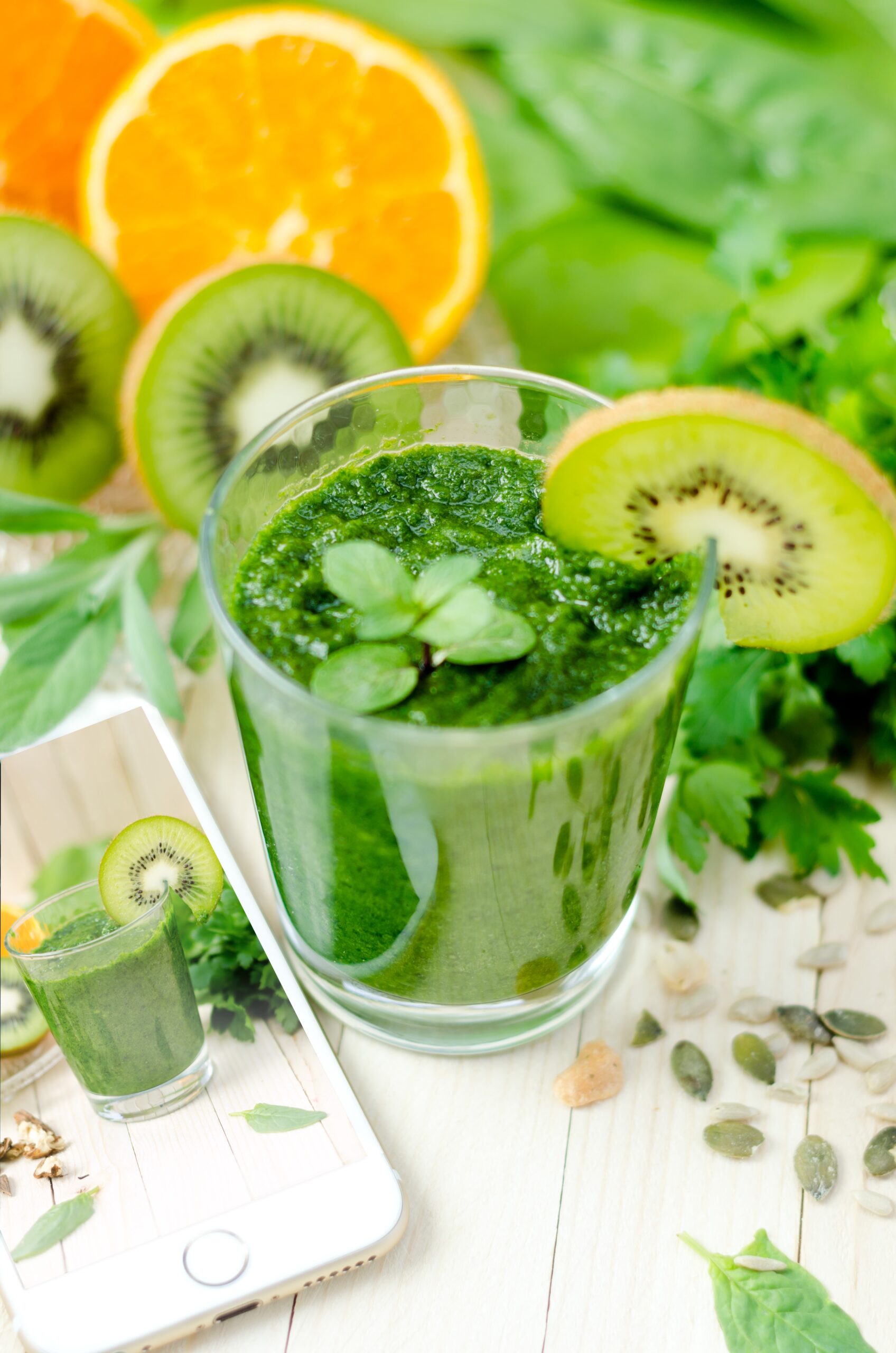
• Fruit that is just going soft can be made into smoothies or fruit pies. Vegetables that are starting to wilt can also be used up.

-‘Best before’ dates refer to quality rather than food safety. Foods with a ‘best before’ date should be safe to eat after the ‘best before’ date, but they may no longer be at their best.
-‘Use by’ dates refer to safety. Food can be eaten up to the end of this date but not after even if it looks and smells fine. Always follow the storage instructions on the pack.

Tip of the month: Switch to Reusable Shopping Bags
Many people think that throwing food in the landfill is ok. It’s biodegradable after all, so doesn’t create problems. The trouble is, more often than not, the biodegradable food gets wrapped inside a non-biodegradable plastic bag! If the air doesn’t get to the food then it won’t rot down. Worldwide, up to a trillion plastic bags are used and discarded every year—more than a million per minute. Start using re-usable bags made from canvas, woven synthetic fibres, or thick plastics sturdier than plastic or paper bags. Many fashion stockists have started selling eco-friendly bags with trendy colours, designs and prints.

Your 30 minute personal Diet MOT

Synergy Nutrition-Your 30 minute personal Diet MOT:Synergy Nutrition: Your 30 minute personal Diet MOT:Summer is around the corner. Its the perfect time to make new changes, set new goals and to get fitter and healthier.  Book your 30 minute personal diet MOT session with Sonal. Find out what nutrients you are deficient in and gain advice on what you can do to feel great and energised all the time! She will help you answer any of your health related queries.

Special offer: Book your 30 MINUTE VIP telephone session for £25.00 *  instead of £35.00
Save £10.00 on your personal Diet MOT

*special offer ends: 4th June 2013

Treat yourself this May to a Wonderful Indian Head Massage

Stress & anger can create tension which shows up as a stiff neck, shoulders, eye strain and can also hair loss. Why not treat yourself this month to a wonderful Indian Head Massage ywhich unknots blockages, calms the spirit and promote relaxation.

Synergy Nutrition-Indian Head Massage

An Indian Head Massage consists of a relaxing shoulder, neck, head and face massage to leave you feeling invigorated.  Stimulate new hair growth, relax your whole body and release pent up anxiety, increase alertness and boost concentration, and balance the chakras in your body all in one session! All you have to do is sit back and relax.

Synergy Nutrition-Indian Head Massage

The heart is like a flower

This is a beautiful message SYNERGY NUTRITION-The heart is like a flowerabout Opening our Hearts:
The heart is like a flower – unless it is open it cannot release its fragrance into the world. The fragrance of the heart is made up of the qualities and virtues of our spirit. Most of us have learned how to keep our heart closed in a world that would trample all over us if we let it. Being open-hearted today seems to require tremendous courage. It is a courage which comes only when we realise that no one can hurt us, no matter what they say or do. They may hurt our body, but if we have realised we are spirit, nothing outside can touch us, if we so decide. Little by little, practice opening your heart to those you think have hurt you. Realise it wasn’t them that hurt you, it was yourself. And it taught you not to trust and you closed your heart. A closed heart is in need of opening. And when you do, you will have begun to heal yourself.

(from BK publications)

Strong Healthy Bones

Without our bones we would all be like jelly!! Our bones serve us many functions. They help us move, provide internal structure, protecting our heart, lungs, and brain from injury. In addition they are also a storehouse for vital minerals that help us live.

Synergy Nutrition- Strong Healthy Bones

Bone Mass
Bones are actually living; growing tissue and optimum bone mass is usually attained by age 25. Several factors are thought to influence bone mass: gender, age, body frame size, genetics and ethnicity, and those factors that can be modified, such as hormonal status, physical activity levels, smoking and diet. The interaction of these genetic, hormonal, environmental and nutritional factors influences both the development of bone to peak bone mass at maturity and its subsequent loss.

Osteoporosis
Weak bones break easily, causing terrible pain. One can lose height and even the ability to stand or walk. The disorder characterised by low bone density and deterioration of bone tissue is termed osteoporosis and women are at a higher risk of due to having smaller bones and the vulnerability of hormone changes and having an early menopause as oestrogen is protective against bone loss. One of the best preventative measures to avoid later in life osteoporotic fractures is to build the strongest bones possible during childhood and adolescence, when approximately 40% of the peak bone mass is laid down.

Bone-tastic tips for strong healthy bones!   Synergy Nutrition

  • Get vitamin D Savvy: This wonderful vitamin is top of my list when it comes to disease prevention and keeping our bones healthy. In children, severe vitamin D deficiency results in inadequate mineralisation of the skeleton causing rickets, whereas in adults, it can lead to osteomalacia. Only a few foods naturally contain appreciable amounts of vitamin D: oily fish, egg yolk, liver and butter. Supplementation of a vitamin D in an oil-based formulation is the easiest way to correct any vitamin D deficiencies and also aids calcium absorption into your bones.
  • Calcium: Approximately 99% of our body’s calcium is deposited in the bones and teeth with the remaining 1% in our body serum. The government recommendation for adults aged 19-50 is 1000 mg of calcium per day and contrary to popular belief, you don’t need to drink your milk in order to get your calcium. There is a school of thought that also shows that milk can be lead to calcium loss from the bones due to its acidifying effects. Eating a varied diet rich in dark leafy greens, fruit, nuts, and seeds will give you plenty of calcium and you’ll gain many other health benefits from these foods in addition. Many individuals believe they are low in calcium so wrongly supplement with poorly absorbed form of calcium. It is better to supplement with vitamin D and magnesium.
  • Magnesium, the second most abundant mineral in your skeleton after calcium, helps strengthen the bony matrix show higher magnesium intake is associated with better bone mineral density. The refining process of grains to white rice and white flour can reduce the magnesium levels by a staggering 85%. Sourdough breads that have a longer fermentation time, beans, nuts and seeds are rich sources of magnesium. Vitamin K2, is a fat-soluble vitamin is essential for bone health. The intestinal tract normally creates adequate vitamin K, but antibiotics and digestive diseases can impair K levels, making dietary sources of the nutrient necessary. Fermented foods such as kefir, aged cheeses, natto and eggs and meat contain vitamin K2.
  • Boron, Selenium, silicon and zinc are additional trace minerals that work in synergy with the bone minerals above. The UK soils are low in these so getting them in the diet through nuts, fish, meat or supplementing with a mineral complex is essential to prevent deficiencies.  Omega 3 polyunsaturated fatty acids have also been found to correlate with greater bone mineral density. If you are following a low calorie intake diet you may be particularly at risk of getting insufficient protein, which is important for optimum bone health. Eggs, salmon, lean meats, beans and legumes helps build and maintain muscle, which protects joints and bones, and even stimulates bone strength when accompanied with weight-bearing activities.

The best milk substitutes
Milk and its affect on bones is a controversial area of debate. The chemistry of milk has changed since the introduction of homogenisation and pasteurisation. The raw milk that was once drunk is different from the milk on the shelves today. Research shows it has acidifying effects and can increase the loss of calcium from bones, which is the opposite of what many of us were taught. You may already be drinking raw milk from goat, sheep or cow which is fine if you can tolerate it. If you want to avoid cow’s milk for health reason’s or if you are intolerant to cow’s milk than there are plenty of alternatives that can be used in place of cow’s milk which can be found at your local health food store or you can make and prepare yourselves at home.
Almond nut milk      Oat milk          Hemp milk             Quinoa milk       Coconut milk

Soya milk is fine for you if you can tolerate it. But this is another area for debate. Rice milk is higher on the glycaemic index (GI) but can be incorporated into foods and drinks to provide sweetness.

Are your parts functioning?

For a car to run and drive efficiently, ideally needs all its parts to be functioning. So lets uncannily compare the human body to that of a car:

•  Engine – Mitochondria

•  Fuel – Diet

•  Oxygen – Lungs

•  Accelerator pedal – Thyroid gland

•  Gear box – Adrenal glands

Synergy nutrition

Synergy nutrition•  Service and repair – Good quality sleep

•  Cleaning and Oil – Antioxidants

•  Catalytic converter -Detoxification

•  A driver – The brain

A car does have a warning system in place where the dashboard lights up indicating the problem that is occurring with the car. If only the human body could do the same! It would certainly save time and energy. However its not as simple as this as you know how much I rant on about the body’s parts functioning as a whole unit and our bodies are smarter than we think! So where does this leave us??  Well lets begin by keeping it simple, and firstly make your body function smarter like a smart car. Small changes to your diet and lifestyle can result in tremendous benefits in your energy levels, cognition and memory, muscle and bone strength, teeth, hair, skin, nails, eyes!!  If you feel like you are out of balance and want guidance on where to start contact me for a free health chat. When you are balanced and in good health then it becomes easier to instinctively feel and know when discomfort or an imbalance arises. You have one body so its paramount you take care of it and it will certainly look after you.
E-mail: contact@synergynutrition.co.uk

Honey honey, MANUKA honey

Honey is one of man’s earliest foods and was valued throughout numerous civilisations. Arcaeologists discovered honey comb in Egypt that were buried with the pharaohs in their tombs- and the honey was preserved well and still edible! The old Testament describes Israel as being ‘the land flowing of milk and honey’.  The Greek philosopher Aristotle called it the nectar of the gods. Even Winnie the Pooh is obsessed with it! Synergy Nutrition

From what I know and have read is that all honey has antibacterial qualities, however the amount depends on the type of honey in addition to when and how it is harvested. Hydrogen peroxide is the component of honey responsible for its antibiotic quality. Manuka honey which is made from the flowers of the manuka bush, a native of New Zealand is reputed to be the honey with the most antibacterial qualities coming from a componet called methylglyoxal (MG), which is present in small quantities in other types of honey. The higher the concentration of MG, the stronger the antibiotic effect.

Synergy Nutrition

Honey producers have developed a scale for rating the potency of manuka honey. The rating is called UMF, which stands for Unique Manuka Factor. You may have seen UMF 5+,  UMF 10+  on the labels of some popular brands of manuka honey. I have been told for general health 5-10+ is fine. Ever since Manuka honey arrived on the UK Shelves I have been curious to know the science, it is manufactured and its health claims. What is the exact difference between the different numbers and UMF’s? Is it just an estimate? How do they measure it? I was curious to know and did contact some companies to question them. Not satisfied with their answers I thought I began my own research and came across Professor Peter Molan’s (University of Waikato) research on manuka honey activity. Peter comments that the level of antibacterial activity in manuka honey is usually measured  in one of two ways a) the level of antibacterial activity is expressed as being equivalent to the concentration of a solution of a standard antiseptic, phenol, that has the same level of antibacterial activity or b) as the level of methylglyoxal, the antibacterial component of manuka honey. He explains that there are set standards or agreements for the activity of manuka honey which means the buyer of manuka honey can be mislead. Furthermore the antibacterial activity is estimated rather than directly measured so we cannot be sure how much we are actually getting.

Some of the internal conditions that Active UMF® Honey has been used for are listed below:

Acid Reflux Indigestion
Diarrhea Irritable Bowel Syndrome
Duodenal Ulcer Peptic Ulcer
Esophagus Ulcer Stomach Ulcer
Gastritis Ulcerative Colitis
Heliocobacter pylori Up-set Stomach

Although there is limited scientific evidence backing the health benefits of manuka honey. I do believe in can be beneficial to health, especially internally for healing digestive complaints such as those listed above and for boosting the immune system. I have been using manuka honey for several years now and have not experienced a single sore throat in years. Whether this is due to the manuka honey’s antibacterial and preventative effects I do not know for sure however the negative claims will not stop me from consuming my teaspoon a day to keep the cold virus away! The honey has uses for topical application and external use for ulcers and wounds. I am not sure about manuka’s claims as a treatment for cancer however its benefits again could be attributed to its direct and indirect effects on enhancing the immune system defenses. I also advocate the use of raw honey as it contains more nutrients then the processed honey found on most supermarket shelves as it is not heat treated so contains enzymes and higher amounts of vitamins and minerals that are alkalising to the body.Synergy Nutrition

Interesting facts about Manuka Honey:  (adapted from green bay harvest)

  • Taking 2 teaspoons of manuka honey 5+ is not the same as taking 1 teaspoon of 10+. The activity levels are not addictive.
  • Not all Manuka Honey has Non Peroxide Activity
  • Some manuka honey ratings may be misleading or incorrectly marked by marketers who are not familiar with the clinical research or do not interpret the scores on the laboratory analysis report correctly.
  • There is not clinical or academic research to prove that manuka honey with a NPA score less than 8+ has any of the therapeutic effects associated with manuka honey with high NPA scores.
  • Not all manuka honey has clinically proven anti-bacterial and anti-inflammatory properties.
  • There are no manuka bees. Most of the honey bees in the world are actually Italian! Manuka Honey is made from normal honey bees who use nectar from the manuka Flower to make their honey.
  • Some manuka Honeys on the market have extremely high Activity Scores because the Peroxide Activity and the Non Peroxide Activity ratings have been combined.
  • Just like some people assume expensive wine is always better than another bottle with a lower price, most people assume that the higher the activity score on the label, the more they should expect to pay for their manuka Honey and the better it will be for their health.
  • Many consumers are used to buying a manuka Honey by the activity number and simply assume the score relates to the Non Peroxide Activity.

Boost your Mood

Wouldn’t it be great to have a good mood all the time? How is this possible I hear you asking. The weather’s still cold!

One simple way to boost your mood is by incorporating foods containing the amino acid tryptophan such include: mung beans, lobster, turkey, asparagus, sunflower seeds, cottage cheese, pineapple, tofu, spinach and bananas. Tryptophan is synthesised into serotonin in the brain a neurotransmitter that that can be found in the digestive tract, central nervous system and blood platelets. Serotonin is responsible for regulating mood and makes you feel positive and confident. Carbohydrates are needed for serotonin production and the reason is because the  insulin induced by the carbohydrate increases the tryptophan ratio over the other amino acids. Therefore ensure you are getting complex carbohydrates from potatoes, sweet potatoes, wholegrain pasta, rice, bread and oats. If you are following a restricted carb diet and feeling low most of the time, it is probable that you are not consuming  sufficient carbs. For stable mood and energy levels try to avoid going longer than three hours without food and stay hydrated with herbal teas and water. If you don’t eat enough calories and nutrients from the foods you eat you run the risk of your body craving stimulants in the form of sugars and caffeine to give you the instant kick and adrenaline rush. One cup of coffee is fine a day but relying on more than three cups for example can play havoc with your hormones which will impact your mood. When the effects of the stimulants wear off the sugar high is quickly followed by a dip, setting off serious mood swings. This pattern can become a vicious cycle: as we become more miserable and sluggish, we crave more sugar, pile on more pounds and lose any motivation to exercise, worsening our mood further.

If you feel like your spirits are still low and you are eating balanced healthy meals it is worth seeking advise from your GP/health professional or nutritionist who can advise you on tests to check for hormone and nutrient deficiencies. Of course each case is unique and sometimes the diet may not address the underlying complaint. However looking closely at your diet is a good place to start.

Aside from your chomping on good mood foods you can get yourself motivated by following some or all of the tips below:

-If your weight is getting you down book a session with a personal trainer and nutritionist to get you back on the right track. Exercise creates mood-boosting endorphins – the body’s natural feel good chemicals

-Take up a new hobby & indulge your unique interests!

-Surround yourself with upbeat people and friends and have a good belly laugh.

-Visit a new place or country

-Listen to happy songs – a good tune will get you smiling in no time.

Get minty with peppermint

Peppermint has been used for thousands of years to soothe the digestive system. Peppermint is a natural hybrid of spearmint (common flavour found in toothpaste and chewing gum) and watermint (mentha aquatica). The crossing of the two species resulted in a herb that contained far higher levels of essential oils, making peppermint the most medicinally active of all the mint species.

Synergy Nutrition- Get minty with Peppermint

The most active constituents are the essential oils, two of which are menthol and menthone, which have a range of powerful effects on the digestive system and respiratory system. A number of clinical studies have found peppermint oil significantly improves symptoms of IBS such as gas and pain. Peppermint is a useful decongestant and commonly added to cough and cold remedies. As a topical application peppermint oil may have a pain-killing effect and was used traditionally for muscle and nerve pain such as sciatica. Dabbing diluted peppermint oil to one’s temples and forehead may sooth away tension headaches.

Peppermint is available in a variety of forms: tea, essential oil, liquid extracts and capsules. You can also find fresh mint and use this for tea or to make some natural remedies.

For peppermint products, follow the labels as the strengths can vary. The usual dosage is 10-15g dried herb daily. Although a safe remedy it can provoke acid-reflux in people prone to heartburn. For pregnant women the tea is fine to take but it advisable not to take the peppermint capsules as there is limited research in pregnancy.

Synergy Nutrition- Get minty with Peppermint